Understanding Dementia. Supporting Families. Building Confidence.
A dementia diagnosis changes life for the individual living with the disease—and for everyone who loves them. Family caregivers often find themselves navigating unfamiliar territory filled with questions, uncertainty, frustration, grief, and exhaustion. Behaviors change. Communication becomes more difficult. Everyday tasks become more complicated. Many caregivers feel overwhelmed and unsure where to turn for help.
At the Edel Caregiver Institute, we believe education is empowering and support is essential. Our Dementia Education & Support programs help caregivers better understand dementia, develop practical caregiving skills, and find the encouragement they need to navigate the journey ahead.
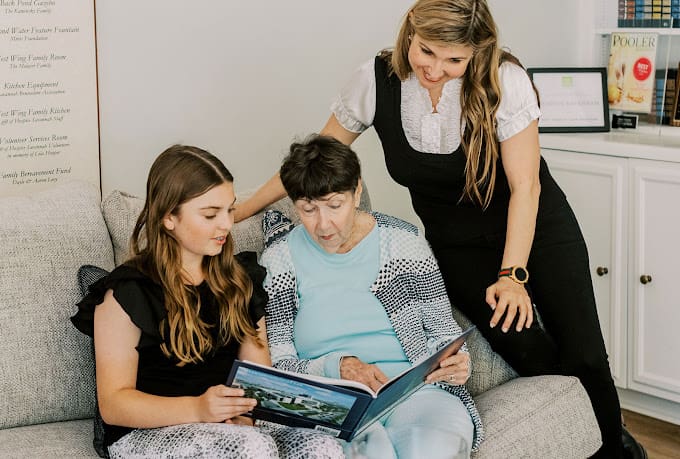
Dementia Caregiving Is Different
Dementia affects more than memory.
It can impact communication, judgment, behavior, emotions, mobility, and the ability to perform everyday activities. As the disease progresses, caregivers often face new challenges and responsibilities that can feel overwhelming.
Many caregivers tell us:
- “I don’t know what to do anymore.”
- “Nothing I try seems to work.”
- “I feel guilty all the time.”
- “No one understands what we’re going through.”
You are not alone. The Edel Caregiver Institute exists to provide the education, support, and guidance caregivers need to care for their loved ones while also caring for themselves.
Meet Jill Costello, M.A.
A Trusted Guide for Dementia Caregivers
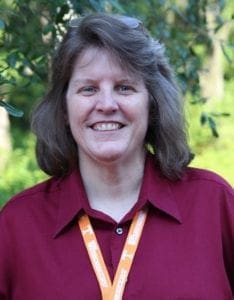
The Dementia Education & Support Program is led by Jill Costello, a Certified Independent Dementia Consultant and Certified Independent Dementia Trainer through Teepa Snow’s Positive Approach to Care®.
Jill has helped countless families better understand dementia and develop practical strategies that reduce frustration, improve communication, and strengthen relationships. Her approach focuses on helping caregivers see the world through the eyes of the person living with dementia, creating greater understanding, compassion, and confidence.
Individual Dementia Caregiver Consultations
Personalized Guidance for Your Unique Situation
Every family faces different challenges. Through one-on-one consultations, caregivers can receive practical advice, coaching, and support tailored to their specific circumstances.
Topics may include:
- Communication challenges
- Behavioral changes
- Resistance to care
- Safety concerns
- Daily routines
- Family dynamics
- Managing stress and caregiver burnout
- Preparing for future changes
These consultations help caregivers better understand what is happening, why it is happening, and how they can respond effectively.
Dementia Caregiver Support Groups
Learning from experts is valuable. Learning from other caregivers can be life-changing.
Our Dementia Caregiver Support Groups provide a safe, welcoming environment where caregivers can share experiences, ask questions, and learn from others who truly understand the challenges of dementia caregiving.
Support group topics often include:
- Understanding disease progression
- Managing difficult behaviors
- Communication strategies
- Problem solving
- Coping with stress
- Self-care and resilience
- Emotional support
Most importantly, caregivers discover they are not alone.
Positive Approach to Care®
The Edel Caregiver Institute incorporates educational principles developed through Teepa Snow’s nationally recognized Positive Approach to Care® methodology.
This person-centered approach helps caregivers:
- Improve communication
- Reduce frustration
- Better understand dementia-related changes
- Build stronger connections
- Enhance quality of life for both caregiver and loved one
Our goal is not simply to help caregivers manage dementia—but to help them maintain meaningful relationships throughout the journey.
GUIDE Dementia Program
For eligible individuals living with dementia and their caregivers, the GUIDE Model offers enhanced services and support designed to improve quality of life and strengthen caregiver resources.
The program provides additional care coordination, education, and support services specifically tailored to the unique challenges of dementia care.
Caring for the Caregiver
One of the most important things we teach caregivers is this:
You cannot pour from an empty cup.
Caring for someone living with dementia can be emotionally and physically demanding. Feelings of grief, frustration, sadness, guilt, and exhaustion are common—and normal.
Seeking support is not a sign of weakness.
It is one of the most important things you can do for yourself and for the person you love.